

Retromobile 2025: A Connoisseur’s Chronicle of Automotive Epochs
For a decade now, navigating the hallowed halls of Retromobile in Paris has been less a casual visit and more a pilgrimage. As an industry insider with a decade immersed in the nuanced world of classic automobiles, I’ve witnessed its evolution firsthand, and the 2025 iteration, marking its golden jubilee, was a testament to its enduring allure and dynamic growth. Often lauded as the zenith of classic car gatherings, Retromobile transcends mere exhibition; it’s a vibrant ecosystem where the patina of history meets the gleam of future aspirations, a place where the scent of aged leather and high-octane fuel mingles with the palpable excitement of discovery.
This year, the air crackled with a special significance. The 50th anniversary wasn’t just a number; it was a milestone that underscored Retromobile’s profound impact on the automotive landscape. While its roots remain firmly planted in the enthusiast’s passion for preservation and restoration—evidenced by the ubiquitous presence of second-hand spares for an astonishing array of vehicles, from the humblest 1960s French hatchbacks to the most sought-after performance classics—the show has undeniably ascended. The influx of major manufacturers, elite dealers, and prestigious auction houses has elevated Retromobile from a sprawling auto-jumble into a sophisticated marketplace and a curated museum of automotive history.
The narrative this year was undeniably influenced by anniversaries and the persistent echo of heritage within modern automotive design. Volkswagen’s display, a thoughtful tribute to the 50th anniversary of the Golf GTI, was a masterstroke, showcasing not only iconic GTI models from yesteryear but also a tantalizing glimpse into the future with a disguised electric ID Polo GTI. Similarly, Peugeot’s evocative ensemble of 205 GTIs, including the formidable T16 homologation variant, served as a powerful historical anchor for the unveiling of their new electric 208 GTI. This recurring theme—manufacturers leveraging their illustrious past to inform and excite about their electric future—was a dominant thread throughout the exhibition. It’s a strategic narrative that resonates deeply with enthusiasts, bridging the gap between cherished memories and the inevitable march towards sustainable mobility. The allure of classic car collecting is being redefined, with heritage models not just as museum pieces but as inspirations for the next generation of eco-conscious automobiles.
Beyond the manufacturer showcases, the true magic of Retromobile, for many, lies in the adjacent realms occupied by ultra-specialist parts dealers and independent restorers. Here, the uninitiated might see just a jumble of components, but to the seasoned eye, it’s a treasure trove. Tables overflow with meticulously organized inventory: gleaming chrome accents, period-correct lighting fixtures, delicate dashboard instrumentation, robust fuel pumps, and an extensive library of original manuals. These are the vital organs that breathe life back into forgotten machines. It’s also a testament to the global classic car market’s intricate supply chains and the dedication of individuals who keep the flame of restoration alive. The sheer volume of parts for even the most obscure models speaks volumes about the breadth and depth of this passionate community. And, as any regular attendee can attest, the French penchant for exquisitely crafted model cars, displayed with an artist’s touch, adds another delightful dimension to the show.
What truly sets Retromobile apart, and what I find myself continually drawn to, is the subtle yet profound joy found in the everyday heroes of automotive history. While the siren call of multi-million-dollar hypercars is undeniable, the true scarcity, and thus the greater treasure, often resides in the survivors of the more utilitarian vehicles of yesteryear. The attrition rate of models like the Citroën BX, whose eventual demise in the automotive landscape often feels a foregone conclusion, can be as steep as the survival rate of a limited-edition Ferrari 288 GTO. It’s a poignant paradox of automotive depreciation and desirability.
Wandering through the sections dedicated to dealers offering cars in the sub-€30,000 bracket was a particularly rewarding experience this year. Here, amidst the accessible charm of French motoring history, one could indeed find a magnificent Citroën CX and a robust BX. While a coveted GS remained elusive, the presence of several Renault Fuegos and a practical 12 estate filled that void with a profound sense of nostalgic satisfaction. These are the vehicles that defined daily commutes and family road trips for millions, and their increasing rarity makes each surviving example a miniature icon. The pursuit of these often-overlooked gems is a cornerstone of automotive heritage preservation.
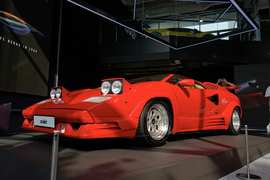
Contrast this with the dazzling, impeccably presented displays of premier-league dealers, where the air hums with the prestige of marques like McLaren, Bugatti, and Ferrari. Witnessing a McLaren F1 Longtail, a Bugatti Centodieci, or a comprehensive lineup of Ferrari’s limited-run hypercars, from the legendary 288 GTO to the cutting-edge LaFerrari, is undeniably spectacular. However, for those who frequent major automotive events like the Goodwood Festival of Speed or the Salon Privé at Blenheim Palace, these automotive titans, while always impressive, can sometimes feel… familiar. Their presence at Retromobile, while expected, doesn’t possess the same element of rare discovery as unearthing a pristine Renault 12 estate. Yet, they remain crucial components of the overall Retromobile experience, catering to the highest echelons of the classic car investment market.
However, the showstopper at Retromobile 2025, an exhibit that transcended all expectations and captured the imagination of attendees, was not a sculpted automobile, nor a gleaming supercar. It was, rather astonishingly, a train. Ettore Bugatti, a visionary whose automotive innovations are legendary, faced a peculiar predicament: the unsold 12.7-liter engines from his ill-fated Bugatti Royale project. His solution was audacious and revolutionary: he repurposed these colossal powerplants to create a railcar. This engineering marvel, unveiled at the show, was nothing short of transformative. Launched in 1927, it was dramatically faster, smoother, and cleaner than the steam locomotives that dominated its era. The French national railway embraced these innovative railcars well into the 1950s, and their influence on subsequent train design was profound. The logistics of maneuvering such a colossal machine into the exhibition hall remained a mystery to most, but its impact was undeniable. The sheer scale and historical significance of the Bugatti railcar captivated audiences, proving that innovation in the automotive and transport sectors knows no bounds, even when rooted in a century-old solution. This exhibit highlighted the broader context of automotive engineering history, demonstrating how engine technology could permeate and revolutionize other transport sectors.
The diversity of exhibits at Retromobile is its unparalleled strength. You can move from the raw, unfiltered passion of the auto-jumble areas to the meticulously curated manufacturer pavilions, and then to the rarefied atmosphere of the hypercar auctions. This fluidity allows for an incredibly rich and comprehensive exploration of automotive culture. For those interested in the valuation of classic cars, the auction areas provide invaluable insights, showcasing real-time market trends and the desirability of various models. The resale value of classic cars is a complex interplay of rarity, condition, provenance, and historical significance, all of which are on full display at Retromobile.
The global appeal of Retromobile is also a significant factor in its success. While undeniably a French celebration of automotive heritage, it draws collectors, enthusiasts, and industry professionals from across continents. The international classic car community converges here, fostering cross-cultural exchange and a shared appreciation for automotive artistry. This global perspective is crucial for understanding the nuances of the collectible car market, where demand and prices can fluctuate based on international interest and economic conditions. The increasing interest in electric classic cars and the conversion of classic vehicles to electric power was also a palpable undercurrent at this year’s event, signaling a shift in collector priorities and the future direction of the classic car restoration industry.
For collectors and enthusiasts focused on specific niches, Retromobile offers an unparalleled opportunity. Whether your passion lies in pre-war luxury sedans, iconic sports cars of the 1960s, or the burgeoning scene of modern classics, you are likely to find something that resonates. The expertise on display, from the meticulous detail of a concourse-prepared vehicle to the honest patina of a well-loved daily driver, is truly inspiring. It’s this depth of knowledge and dedication that forms the bedrock of the classic car enthusiast’s lifestyle. The ability to interact with experts, ask detailed questions about mechanics, history, and maintenance, and even find that elusive part for a beloved project car, is an invaluable aspect of the Retromobile experience.
The sheer volume of classic cars for sale at Retromobile is staggering. From budget-friendly project cars to investment-grade museum pieces, the show caters to every level of collector and every budget. Navigating this vast marketplace requires knowledge, patience, and a keen eye for quality. However, the rewards of finding that perfect vehicle, or that crucial component to complete a long-standing restoration, are immense. The best classic car shows are defined not just by the number of vehicles on display, but by the quality of the experience and the opportunities they provide for genuine engagement with the automotive past.
In an era where digital interactions often dominate, Retromobile offers a vital tangible connection to automotive history. The scent of gasoline, the tactile feel of vintage upholstery, the roar of an engine being fired up – these sensory experiences are irreplaceable. They remind us of the engineering prowess, the artistic vision, and the sheer human ingenuity that has shaped the world of automobiles. The future of classic cars is not just about preservation; it’s about appreciation, understanding, and the continued passion that drives individuals to seek out and cherish these automotive masterpieces. The high-value classic cars on display are not just assets; they are tangible pieces of history, each with a story to tell.
As the doors closed on Retromobile 2025, leaving behind a palpable sense of automotive wonder, the conversations continued. The shared experiences, the discoveries made, and the renewed passion for all things automotive lingered. This event consistently serves as a barometer for the health and vibrancy of the global classic car world, showcasing not only the enduring appeal of iconic models but also the innovative spirit that continues to drive the industry forward. Whether you are a seasoned collector, a budding enthusiast, or simply someone with an appreciation for beautiful engineering and storied histories, Retromobile offers an unforgettable journey through automotive epochs.

If Retromobile 2025 has ignited your passion for automotive history and inspired you to explore the world of classic vehicles, the next step is clear. Begin your journey into this rich and rewarding world. Explore local classic car clubs, research reputable classic car dealers, and perhaps even attend a smaller regional show to immerse yourself further. The adventure of discovering, preserving, and enjoying these automotive treasures awaits.