

Retromobile 2026: A Deeper Dive into the World’s Premier Classic Car Gathering
As the esteemed Retromobile show in Paris gears up to celebrate its remarkable 50th anniversary, the automotive world eagerly anticipates another unforgettable showcase of automotive heritage. For a decade now, my professional journey has been intrinsically linked with the evolution of classic car culture, from the meticulous restoration of forgotten marques to the discerning acquisition of investment-grade automobiles. Retromobile, in my experienced opinion, stands as a unique beacon in this landscape, often heralded as the zenith of classic car events globally. It’s a distinction it earns not through high-octane track displays or exclusive concours d’elegance, but through its unparalleled breadth and depth. This is a show where you can unearth obscure, second-hand spares for a rust-tinged 1960s Renault 4, and mere steps away, find yourself face-to-face with automotive hypercars that represent the very pinnacle of modern performance and exclusivity.
The evolution of Retromobile over the years is a narrative in itself. While it once leaned more towards an “autojumble” atmosphere, a vibrant, accessible hub for enthusiasts to trade parts and projects, the modern iteration has seen a significant influx of established manufacturers, elite specialist dealers, and renowned auction houses. This shift, far from diluting its essence, has injected a new level of polish and prestige, creating a more comprehensive and sophisticated experience for attendees.
This year’s event, marking its golden jubilee, underscores this transformation. Volkswagen, for instance, presented a meticulously curated collection of Golf GTIs to commemorate their own 50th anniversary, subtly juxtaposed with a veiled glimpse of a future electric ID Polo GTI. Similarly, Peugeot paid homage to its iconic 205 GTIs, including the revered T16 homologation special, serving as a powerful heritage statement that elegantly bridges to the new 208 GTI electric. The discernible theme, of course, is the enduring appeal of automotive legends and their modern interpretations, a conversation that resonates deeply within the classic car market.
Beyond the manufacturer stands, the true magic of Retromobile often unfolds in the less ostentatious corners. Here, ultra-specialist parts dealers ply their trade. Their stands are a treasure trove for restorers and dedicated enthusiasts, overflowing with meticulously organized racks of components: vintage lamps, period-correct speedometers, specific hoses, original fuel pumps, gleaming chrome trim pieces, and authentic workshop manuals. And, of course, there are the model cars – a testament to the French passion for automotive miniatures, presented with an artistry that is, quite frankly, captivating.
It might sound counterintuitive, but for seasoned enthusiasts like myself, the most compelling sights at Retromobile are often the everyday French hatchbacks of our formative years. These are the vehicles that, ironically, have become scarcer than the supercars of their respective eras. The attrition rate of a car like the Citroën BX, for instance, has often approached 100 percent, a stark contrast to the survival rate of exclusive models like the Ferrari 288 GTO. It’s this very rarity, this nostalgic ubiquity now transmuted into scarcity, that elevates these humble machines to a revered status within the classic car community.
Wandering through the halls dedicated to classic dealers featuring vehicles priced under €30,000 offers a unique and deeply satisfying experience. Here, I spotted a beautifully preserved Citroën BX, and even a CX, though a classic GS remained elusive. Nevertheless, the presence of a couple of delightful Renault Fuegos and a robust 12 estate more than compensated. There’s a particular, almost guilty pleasure derived from encountering these cherished, less-than-exotic icons in such pristine condition. These vehicles represent not just engineering, but memories and accessible history, a core tenet of the used car market for enthusiasts.
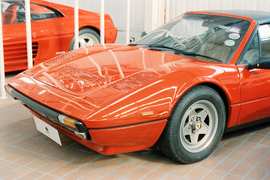
The professionally lit, impeccably polished displays of the premier-league dealer stands, while undoubtedly impressive, can, after a while, feel somewhat predictable. There’s an undeniable thrill in beholding a McLaren F1 Longtail, a Bugatti Centodieci, or a comprehensive lineup of Ferrari’s limited-run hypercars, from the legendary 288 GTO to the cutting-edge LaFerrari. However, such automotive royalty is a familiar sight at prestigious events like the Goodwood Festival of Speed and the Salon Privé at Blenheim.
However, this year’s Retromobile presented a Bugatti that transcended even these exceptional examples. It wasn’t a venerable Type 35, nor the modern Centodici, nor even one of the many Veyrons. It was a train. Ettore Bugatti’s ambitious, albeit commercially unsuccessful, personal project – the 1927 Royale – was reimagined by its visionary creator into a railcar. This was nothing short of a revolution in transportation. Powered by the remaining 12.7-litre engines from the car project, these railcars were dramatically faster, smoother, and cleaner than the steam engines that dominated the railways of their time. The French national railway network adopted these innovative machines well into the mid-1950s, and their influence on subsequent train design was profound. The logistics of how this magnificent behemoth was craned into the exhibition hall remain a mystery, but its presence was an undeniable highlight, drawing captivated crowds who marveled at this extraordinary intersection of automotive and railway engineering. This kind of innovation is what drives the vintage car and broader automobile enthusiast culture forward.
The significance of Retromobile extends far beyond its role as a marketplace or exhibition. It serves as a vital barometer for the health of the classic car investment sector, showcasing trends in desirability and value. The presence of high-value lots at associated auctions, often exceeding millions of dollars, reflects a robust classic car market with a strong appetite for rare and historically significant vehicles. The expertise of auction houses like RM Sotheby’s and Bonhams, who regularly participate, adds a layer of professional appraisal and a global reach, attracting collectors from across continents. This event is more than just a car show; it’s a nexus for collectible cars, investment vehicles, and the passionate individuals who drive this enduring industry.
Exploring the diverse offerings at Retromobile provides invaluable insights for anyone interested in automotive history or the collector car world. From the meticulously restored sports cars of the 1950s and 60s to the emerging appreciation for 1980s and 90s performance icons, the event showcases the dynamic nature of classic car collecting. For those looking to purchase or simply admire, understanding the nuances of condition, originality, and provenance is paramount. This is where the true value of an event like Retromobile shines – it’s an unparalleled educational resource for both seasoned collectors and aspiring enthusiasts alike, offering a tangible connection to the automotive heritage that shapes our present.
The sheer variety of vehicles on display is staggering. One moment you’re admiring a perfectly preserved pre-war Bugatti, the next you’re captivated by a rare Japanese homologation special from the 1990s. This eclectic mix underscores the inclusive nature of classic car culture, demonstrating that appreciation spans across eras, nationalities, and price points. Whether your passion lies in the sleek lines of Italian exotica, the rugged utility of American muscle, or the engineering ingenuity of early European automobiles, Retromobile offers something to ignite every automotive spark. It’s a testament to the enduring appeal of the automobile as both an art form and an engineering marvel.
Furthermore, the event provides a unique opportunity to engage with the custodians of this heritage. Discussions with restorers, marque specialists, and fellow enthusiasts offer a wealth of knowledge about specific models, their maintenance, and their place within the broader automotive narrative. This exchange of information is crucial for maintaining the health and longevity of the classic automobile. For those considering entering the classic car ownership journey, Retromobile is an indispensable starting point, offering a panoramic view of the market and the vibrant community that surrounds it. The accessibility of information and expertise here is second to none.
As we look towards the future of classic car shows and the broader automotive collectible landscape, Retromobile continues to set the benchmark. Its ability to adapt, evolve, and consistently deliver an experience that resonates with enthusiasts at every level is truly commendable. The 50th anniversary serves as a powerful reminder of its enduring legacy and its continued relevance in an ever-changing world. For anyone with a passion for automobiles, from the rarest hypercars to the most humble of hatchbacks, a visit to Retromobile is an essential pilgrimage. It’s an opportunity to connect with the past, appreciate the present, and be inspired by the future of automotive excellence.

If you’re captivated by the allure of automotive history and the enduring charm of iconic cars, the world of classic car collecting awaits. Whether you dream of owning a piece of automotive legend or simply wish to immerse yourself in the unparalleled atmosphere of gatherings like Retromobile, now is the time to explore further. Discover the resources available for classic car appraisal, restoration services, and specialist insurance. Let your passion for these timeless machines guide you; your journey into the heart of automotive heritage begins with a single step.