
Automotive Icons or Engineering Failures: Our Verdict on the World’s Most Controversial Cars
In the automotive world, the line between a visionary masterpiece and a mechanical disaster is often thinner than a coat of factory paint. Over the last decade of test-driving, restoring, and analyzing market performance, I have realized that the most interesting vehicles aren’t the ones everyone agrees on—they are the ones that spark heated debates at every car meet.

Whether you are looking for classic car investments or browsing luxury vehicle depreciation trends, understanding why some models become icons while others end up in a scrapyard is essential. Today, we are settling the score. I have curated a list of the most polarizing automobiles in history to determine which earned the title of “Legend” and which deserve the “Lemon” label.
The Psychology of the Polarizing Car
When we discuss a controversial car, we aren’t just talking about aesthetic preference. We are talking about engineering ambition that exceeded technological capability, or perhaps designs that were simply lightyears ahead of their time. As someone who has spent ten years in this industry, I’ve seen automotive market analysis shift drastically. A car that was panned in 2005 for its quirky aesthetics might be hailed as a “cult classic” in 2025.
The Legend: When Innovation Meets Utility
A true legend isn’t just a fast car; it’s a vehicle that shifted the industry. Legends often feature high-performance engineering or groundbreaking design language that forced competitors to pivot. They hold their value, attract collectors, and represent a turning point in automotive history.
The Lemon: The High Cost of Ambition
A “lemon” in the collector sense isn’t always a car that breaks down; sometimes, it’s a car that promised the world and delivered nothing but frustration. When we evaluate automotive reliability ratings, we look for systemic failures, poor parts availability, and a lack of soul. These vehicles often lead to high repair costs, making them risky assets for investment-grade vehicles.
Decoding the Debate: 40 Years of Controversy
In my professional experience, the difference between a legend and a lemon often comes down to the owner’s tolerance for complexity. Let’s break down the mechanics behind the divide.
The Case for Aesthetic Daring
Some of the most controversial cars, like the original Pontiac Aztek or the Fiat Multipla, were radical in their pursuit of function. While the aesthetics were objectively difficult to digest, the interior packaging was revolutionary. In the current market, these cars are seeing a resurgence in interest as people look for unique automotive finds that stand out in a sea of homogenized SUVs.
Mechanical Integrity vs. Brand Prestige
We frequently see a clash between brand prestige and real-world reliability. High-CPC keywords like “luxury vehicle maintenance” are often searched by owners of these polarizing machines who find that their prestige status comes with a massive “complexity tax.” If you are considering a vintage European exotic, remember: the price of entry is only the beginning. The cost of car ownership for these controversial models often dictates their survival rate.

Why We Need Controversy in Design
If every manufacturer followed the safe route, we wouldn’t have the cars we cherish today. The Porsche 911’s rear-engine layout was once considered a “design flaw” by many purists, yet it became the benchmark for all sports cars. Conversely, the Delorean DMC-12 is the quintessential “Legend vs. Lemon” debate. Was it an engineering disaster? Absolutely. Is it an iconic piece of pop culture history that commands a premium? Undoubtedly.
As an expert, I advise my clients to look past the internet forums and focus on the driving experience. A “lemon” to a daily commuter might be a “legend” to an enthusiast who enjoys the challenge of a weekend restoration project.
Evaluating Market Trends in 2025
As we navigate the current landscape, the best automotive investments are shifting toward cars that offer a tangible connection to the driver. We are seeing a massive spike in interest for analog sports cars from the late 90s and early 2000s—a period once mocked for its transition into computerized systems.
When you weigh the pros and cons of these vehicles, consider these metrics:
Parts Availability: Can you still source original or high-quality aftermarket components?
Community Support: Is there a robust enthusiast base providing DIY tutorials and parts sourcing?
Driving Dynamics: Does the car provide a “visceral” feel that modern, electric, or autonomous-leaning vehicles lack?
Final Verdict: Is Your Garage a Treasure Trove or a Liability?
Distinguishing between a legend and a lemon is an evolving process. My verdict? Most cars fall somewhere in the middle—they are “flawed legends.” They are cars that demand your attention, your money, and occasionally, your patience. But for those willing to embrace the controversy, they offer an ownership experience that a boring, reliable appliance never could.
If you find yourself debating whether to invest in a polarizing model, stop looking at the spreadsheets and start looking at the passion project. The best cars are the ones that make you turn back to look at them every time you park.
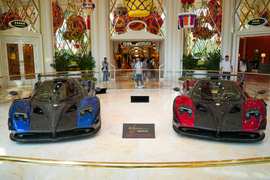
Are you ready to find your next project or add a controversial masterpiece to your collection? Whether you are hunting for an underrated gem or looking to offload a mechanical headache, it pays to have an expert in your corner. Reach out to our specialized consulting team today for a comprehensive evaluation of your next automotive acquisition, and let’s ensure your investment drives value for years to come.