

Retromobile 2026: A Golden Jubilee of Automotive Heritage and Future Gazing
As a seasoned observer of the automotive world with a decade immersed in its intricate tapestry, the annual Retromobile exhibition in Paris stands as a unique beacon, a testament to the enduring allure of the automobile across its entire spectrum. More than just a gathering of classic car icons, Retromobile has evolved from its humble beginnings into a comprehensive celebration of automotive history, innovation, and the passionate community that keeps these machines alive. This year, marking its impressive 50th anniversary, the event offers a compelling narrative that blends nostalgic reverence with a forward-looking perspective, making it an unmissable fixture for enthusiasts and industry professionals alike.
The designation of Retromobile as the “world’s best classic car meet” is not hyperbole; it’s a reflection of its extraordinary breadth. It eschews the singular focus of track-day events or the sterile perfection of concours shows, instead embracing a democratic approach to automotive passion. Here, you can seamlessly transition from scrutinizing a rare, period-correct carburetor for a humble 1970s hatchback to admiring the breathtaking lines of a multi-million-dollar hypercar. This inherent duality is Retromobile’s true strength, catering to every level of enthusiast and collector. It’s this unparalleled vintage car market diversity that sets it apart, offering a genuine treasure trove for those seeking everything from obscure automotive restoration parts to the pinnacle of automotive engineering.
This 50th anniversary edition underscores a significant evolution. While the spirit of the “auto-jumble” – a place for genuine parts discovery and enthusiast interaction – still lingers, the increasing presence of major manufacturers, prominent classic car dealers, and prestigious auction houses signifies Retromobile’s ascent into a more sophisticated and influential arena. This integration has injected a new dynamism, creating a fascinating dialogue between past and future.
We’re witnessing manufacturers leveraging this platform not just for historical display but as a launchpad for their own heritage-focused narratives. Volkswagen, for instance, showcased a meticulously curated collection of Golf GTIs to commemorate the model’s 50th anniversary, ingeniously juxtaposed with a veiled glimpse of a future electric ID Polo GTI. Similarly, Peugeot paid homage to its iconic 205 GTIs, including the formidable T16 homologation car, drawing a clear lineage to the modern 208 GTI electric. This recurring theme—the manufacturers drawing strength and inspiration from their own rich histories to inform their electric future—is a powerful indicator of the industry’s strategic direction. It’s a clear signal to the market that heritage electric vehicles are not just a novelty but a significant component of their long-term brand identity.
Beyond the manufacturer stands, the true magic of Retromobile unfolds in the labyrinthine halls dedicated to specialist parts dealers. Here, tables are piled high with an almost overwhelming array of classic car spares, from bespoke chrome trim and obscure electrical components to factory-correct hoses and comprehensive workshop manuals. It’s a palpable reminder of the dedication and meticulous effort required to keep automotive history breathing. The prevalence of meticulously crafted model cars also speaks volumes about the deep-seated appreciation for automotive artistry within French culture. For collectors and restorers, these vendors are indispensable, offering access to the very sinews and bones of beloved vintage machines. This aspect of the show highlights the crucial role of classic car restoration services and the dedication of individuals and businesses that preserve these rolling sculptures.
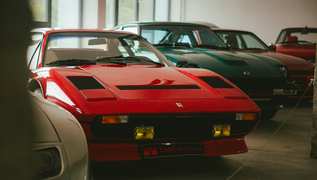
Paradoxically, for many seasoned enthusiasts, the most compelling sights at Retromobile are not always the headline-grabbing supercars. The true joy often lies in discovering the quotidian French hatches of one’s youth. These are the vehicles that, despite their once-commonplace status, are now rarer than the exotic machinery they shared showrooms with. The attrition rate of models like the Citroën BX, a car whose survival has become asymptotic to near-extinction, mirrors the scarcity of even celebrated supercars like the Ferrari 288 GTO. This observation underscores a critical truth in the classic car investment world: the rarest cars are often those that were least cherished in their time.

Wandering through the sections dedicated to affordable classic cars and independent dealers, where vehicles are often priced below €30,000, is a particularly rewarding experience. Here, the tangible connection to personal automotive history is strongest. While a BX and a CX might make an appearance, the absence of a GS might be noted, but the presence of several Renault Fuegos and a charming 12 estate more than compensates, offering a delightful dose of nostalgic indulgence without the guilt often associated with more extravagant acquisitions. These are the cars that foster genuine engagement with the classic car community, often sparking conversations and shared memories among visitors.
The professionally presented, theatrically lit displays of premier-league dealers, while undoubtedly impressive, can sometimes feel a touch predictable after one has absorbed the sheer variety elsewhere. Of course, the allure of a McLaren F1 Longtail, a Bugatti Centodieci, or an unbroken lineage of Ferrari limited-run hypercars from the 288 GTO to the LaFerrari is undeniable. However, these automotive titans are increasingly visible at prominent events like the Goodwood Festival of Speed and Blenheim Salon Privé. While their presence adds a layer of aspirational grandeur, it’s the less ostentatious, yet equally historically significant, displays that truly capture the unique spirit of Retromobile. This highlights a growing trend in the luxury classic car market, where exclusivity is paramount, but true value often lies in historical significance and rarity.
However, this year’s Retromobile presented a Bugatti that defied all expectations, eclipsing even the most coveted models like the Type 35, the Centodici, or the numerous Veyrons. This was not a car, but a train. Ettore Bugatti’s audacious 1927 Royale railcar, originally conceived to utilize the unsold 12.7-litre engines from his ill-fated Royale automobile project, was a revolutionary piece of engineering. Designed to be dramatically faster, smoother, and cleaner than the prevailing steam locomotives of its era, it was adopted by the French national railway and served into the mid-1950s, profoundly influencing subsequent train design. The logistics of hoisting such a colossal artifact into the exhibition hall remained a mystery, yet its presence captivated the crowds, serving as a spectacular, albeit unconventional, automotive icon. This unexpected exhibit underscores the expansive definition of “automotive” that Retromobile embraces, venturing into related fields of engineering and design. It also speaks to the broader automotive heritage tourism appeal of such events.
The increasing sophistication of Retromobile is also reflected in the services it attracts. Discussions around classic car insurance brokers, specialist lenders for automotive finance, and bespoke car storage solutions are becoming more prevalent, underscoring the financial and logistical considerations that accompany the passion for vintage vehicles. The rise of electric vehicle conversions for classic cars is another burgeoning area, with innovative companies showcasing their ability to electrify iconic models, bridging the gap between traditional appreciation and modern environmental consciousness. This blend of past and present, mechanical marvel and future-forward technology, is what truly defines Retromobile in the current automotive landscape. For those looking to engage with the classic car collecting world, understanding these evolving trends is paramount, from the acquisition of rare automotive collectibles to their ongoing preservation and potential modernization.
As the industry pivots towards electrification, Retromobile provides a crucial grounding, reminding us of the engineering brilliance and aesthetic artistry that has shaped our automotive past. It’s a place where the tangible roar of a V12 and the scent of aged leather coexist with the silent hum of electric prototypes. This dichotomy fuels innovation, inspiring designers and engineers to draw lessons from historical triumphs while forging new paths. For collectors and enthusiasts seeking to invest in the future of automotive legacy, understanding the intersection of classic car values and emerging technologies is more critical than ever.
Retromobile 2026, with its 50th-anniversary milestone, is more than just a showcase; it’s a living archive, a dynamic marketplace, and a prophetic glimpse into the evolving world of the automobile. It’s where the scent of petrol and polish mingles with the promise of electric dreams, and where the past not only informs the present but actively shapes the future of mobility.
The sheer variety of automotive auctions held in conjunction with Retromobile also adds another layer of excitement, offering attendees the chance to acquire their own piece of history. Whether you’re a seasoned collector seeking a rare piece of automobilia, a burgeoning enthusiast looking for your first classic European car, or simply someone fascinated by the evolution of design and engineering, Retromobile offers an immersive and unparalleled experience.
The enduring appeal of Retromobile lies in its ability to foster a deep, human connection with the automobile. It’s about the stories these machines tell, the journeys they represent, and the memories they evoke. It’s a celebration of human ingenuity, artistry, and the unyielding passion that transforms metal and machinery into cherished icons.
To truly appreciate the depth and breadth of automotive history, and to understand the future trajectory of this ever-evolving industry, a visit to Retromobile is not merely recommended—it is essential. Whether you’re contemplating a significant classic car purchase, seeking expert advice on automotive restoration, or simply wish to immerse yourself in the vibrant tapestry of automotive culture, the journey to Paris for Retromobile promises an unforgettable experience. Discover the heritage, explore the innovation, and connect with the passion that drives the world of automobiles forward.