
The Genesis of Automotive Excellence: Pioneering Inventions That Forged the Modern Automobile

For over a century, the automobile has been more than just a mode of transport; it’s been a canvas for human ingenuity, a testament to relentless innovation. As a seasoned industry professional with a decade immersed in the automotive world, I’ve witnessed firsthand how incremental advancements, and sometimes revolutionary leaps, have sculpted the vehicles we rely on and admire today. The journey from the sputtering horseless carriages of the late 19th century to the sophisticated, connected machines of 2025 is a narrative woven with thousands of groundbreaking achievements, each finding its initial expression in a production car.
This exploration delves into those pivotal moments, the “firsts” that redefined automotive capability, safety, comfort, and efficiency. We’re not just looking at a historical timeline; we’re dissecting the DNA of the modern car, identifying the groundbreaking cars that introduced technologies that have since become commonplace. From the sheer power of the first V8 engine to the subtle convenience of an electronic parking brake, or the now-essential climate control systems, these vehicles didn’t just set a trend; they laid the foundation for the entire industry. This isn’t about the sales figures or critical acclaim of the individual models themselves, but rather the enduring legacy of their technological contributions. We’ve meticulously curated a selection of truly impactful innovations, prioritizing those that have genuinely propelled the automotive landscape forward, while gently setting aside those whose influence proved ephemeral. Each entry is a chapter in the grand story of automotive progress, a story we invite you to join.
The Rumble of Innovation: Early Pioneers and Foundational Technologies
The very essence of what constitutes a “car” has been continuously redefined. The earliest pioneers weren’t just building vehicles; they were envisioning futures. Consider the very first production car to boast a V8 engine. This wasn’t merely about adding more cylinders; it was a paradigm shift in power delivery, torque, and the potential for performance. While early V8s were often complex and costly, their introduction by manufacturers like Cadillac in the 1910s signaled a new era of American automotive power, influencing everything from luxury sedans to nascent racing machines. This foundational automotive innovation opened doors to greater acceleration and higher top speeds, paving the way for the muscle cars and performance vehicles that would later dominate roadways. The V8 engine remains a high-CPC keyword focus for enthusiasts and performance car buyers, signifying power and a certain heritage in the automotive market.
Similarly, the evolution of drivability and driver control has been a constant quest. The advent of the synchromesh gearbox, first widely implemented in production cars in the late 1920s, dramatically simplified gear changes. Before this, drivers often had to double-clutch to smoothly engage gears, a skill that required practice and precision. The introduction of synchromesh made driving significantly more accessible and less physically demanding, a crucial step in broadening the appeal of the automobile. This move towards smoother shifting technology was a quiet revolution, making cars less intimidating for the average consumer and directly contributing to increased vehicle adoption rates.
The Dawn of Comfort and Convenience: Redefining the Driving Experience
Beyond raw power and mechanical precision, the automotive industry has always strived to enhance occupant comfort and convenience. The concept of a climate-controlled cabin, now a standard feature in virtually every new vehicle, began its journey in the 1930s and 40s. While rudimentary in its early iterations, the introduction of factory-installed air conditioning by companies like the Nash-Kelvinator Corporation demonstrated a commitment to passenger well-being that transcended mere transportation. This car air conditioning system was a luxury initially, but its widespread adoption over the decades has fundamentally changed expectations for driving comfort, especially in warmer climates. The desire for this feature is a constant driver in the new car market, with many consumers prioritizing it during their purchase decisions.
Another seemingly small, yet profoundly impactful, innovation is the fuel filler flap orientation arrow. While it might seem trivial, this tiny visual cue, first appearing on production vehicles in the latter half of the 20th century, addresses a common point of confusion and potential embarrassment for drivers at the gas pump. It’s a perfect example of how thoughtful design, focused on user experience, can contribute to a smoother, more frustration-free interaction with the vehicle. This focus on user-friendly car design highlights how even minor details can significantly enhance the overall ownership experience, a factor increasingly considered in automotive reviews and consumer surveys.
Safety First: Innovations That Protect and Reassure
The narrative of automotive progress is inextricably linked with advancements in safety. The evolution of braking systems, for instance, has been a continuous effort to improve stopping power and reliability. While disc brakes were experimented with earlier, their widespread adoption in production cars, particularly on front wheels, during the 1950s and 60s marked a significant leap in braking performance. This automotive braking technology provided superior stopping distances and better heat dissipation compared to traditional drum brakes, especially under demanding conditions. The subsequent evolution to all-wheel disc brakes and the integration of anti-lock braking systems (ABS) have further solidified safety as a paramount concern in vehicle design.
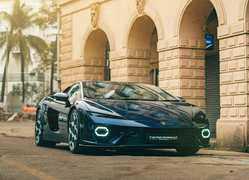
The introduction of the electronic parking brake, a technology that has become increasingly prevalent in the last two decades, represents another significant safety and convenience evolution. Moving away from the manual handbrake or foot pedal, the electronic parking brake offers a more streamlined and often more effective way to secure a vehicle. Its integration with other electronic systems, such as hill hold assist, further enhances its utility and safety benefits. For consumers in major metropolitan areas like Los Angeles car dealerships or New York City car sales, features like electronic parking brakes are often highlighted as part of the modern driving experience.
The Digital Revolution on Wheels: Connectivity and Intelligence
The 21st century has ushered in an era of unprecedented digital integration in automobiles. From basic infotainment systems to advanced driver-assistance systems (ADAS), the car has transformed into a connected hub. The widespread adoption of navigation systems, once a niche luxury, has become a standard expectation. Early in-car navigation systems, appearing in high-end models in the 1990s, paved the way for the sophisticated, real-time traffic updates and integrated mapping we rely on today. This car navigation system evolution has not only made journeys more efficient but has also contributed to increased driver confidence and reduced stress.
The proliferation of sensors and intelligent software has given rise to a suite of safety features that were once the realm of science fiction. Features like adaptive cruise control, lane keeping assist, and automatic emergency braking are now commonplace. These systems, born from the convergence of advanced computing power and sophisticated sensor technology, represent a proactive approach to safety. The first production cars to feature these comprehensive ADAS suites were truly future proof cars, setting benchmarks for the industry and influencing consumer purchasing decisions. The demand for these advanced driver assistance systems is particularly strong in regions with heavy traffic and a focus on safety, such as the greater Chicago area auto market.
Electrification and Beyond: The Sustainable Future of Driving
Perhaps the most profound transformation underway in the automotive industry is the shift towards electrification. While electric vehicles (EVs) have a history stretching back to the dawn of the automobile, it is the modern era that has seen them truly come into their own. The emergence of production EVs with viable range and performance, exemplified by early pioneers like the Tesla Roadster and later mainstream models, has ignited a global movement towards sustainable transportation. This electric vehicle technology represents not just a new powertrain but a fundamental rethinking of vehicle architecture, energy management, and the entire automotive ecosystem.
The development of robust battery technology, efficient electric motors, and sophisticated charging infrastructure are critical components of this revolution. As manufacturers continue to invest heavily in EV car development, we are witnessing a rapid acceleration in performance, range, and affordability. The ongoing advancements in battery chemistry and manufacturing processes are continually pushing the boundaries of what’s possible, making EVs an increasingly attractive and practical choice for a wider range of consumers. The best electric cars of 2025 are a testament to this rapid progress, offering capabilities that rival and in many cases surpass their internal combustion engine counterparts.
The Enduring Legacy of the Trailblazers
Each of these pioneering automobiles and the innovations they introduced represent more than just mechanical or electronic marvels. They embody a spirit of relentless progress, a refusal to accept limitations, and a deep understanding of what drivers and passengers truly desire. From the raw power of an early V8 to the quiet efficiency of a modern EV, the journey has been one of continuous refinement and bold reimagining.
As we look ahead, the pace of innovation shows no signs of slowing. The automotive landscape is poised for further transformation, driven by advancements in artificial intelligence, autonomous driving, and sustainable materials. The vehicles of tomorrow will undoubtedly build upon the foundations laid by these groundbreaking cars of the past, continuing the legacy of engineering excellence and human ingenuity.

We encourage you to explore this rich history further. Whether you’re a seasoned enthusiast, a prospective car buyer, or simply curious about the evolution of the automobile, understanding these pivotal moments provides invaluable context for appreciating the vehicles we drive today and those that will shape our future journeys. Discover the groundbreaking cars that defined automotive eras and influenced the way we drive today.